






A musty basement with no visible mold deserves a closer look, but the smell alone does not tell you where the problem is or how much work is needed. Start by noting when and where you notice it, looking for accessible signs of dampness, and arranging an assessment if it persists. Avoid opening walls or pulling up flooring just to investigate. A useful next step should answer a question, rather than leave you with another product to buy.
If you have been wondering whether this is simply how a basement is supposed to smell, you are not alone. Here is a practical way to approach it without jumping straight to demolition or an expensive testing package.
What can a musty smell actually tell you?
The EPA explains that compounds produced by mold can cause musty odors, and a moldy smell should be investigated. Your nose can alert you to a concern, but it cannot identify a mold species, measure the extent of growth, or certify a room as safe.
Describe what you notice in ordinary language. “An earthy smell near the back closet after rain” gives someone more to work with than “the whole basement is toxic.” You do not need to diagnose the house before asking for help.
Write down the pattern before changing everything
A short note on your phone is enough. Include when you first noticed the odor, whether it is constant or comes and goes, and which part of the basement seems most affected. If you have already changed something, such as running a dehumidifier or moving stored belongings, record that too.
For a homeowner in Westchester or elsewhere in the Hudson Valley, useful questions include whether the concern follows rain, appears when the basement stays closed, or began after a particular repair. These are observations to share, not proof of a particular building defect.
Keep any old repair invoices or photos together. You do not need a perfect maintenance history. Even “this wall was repaired before we moved in, but we do not know why” is worth mentioning.
Look at accessible surfaces, without opening the building
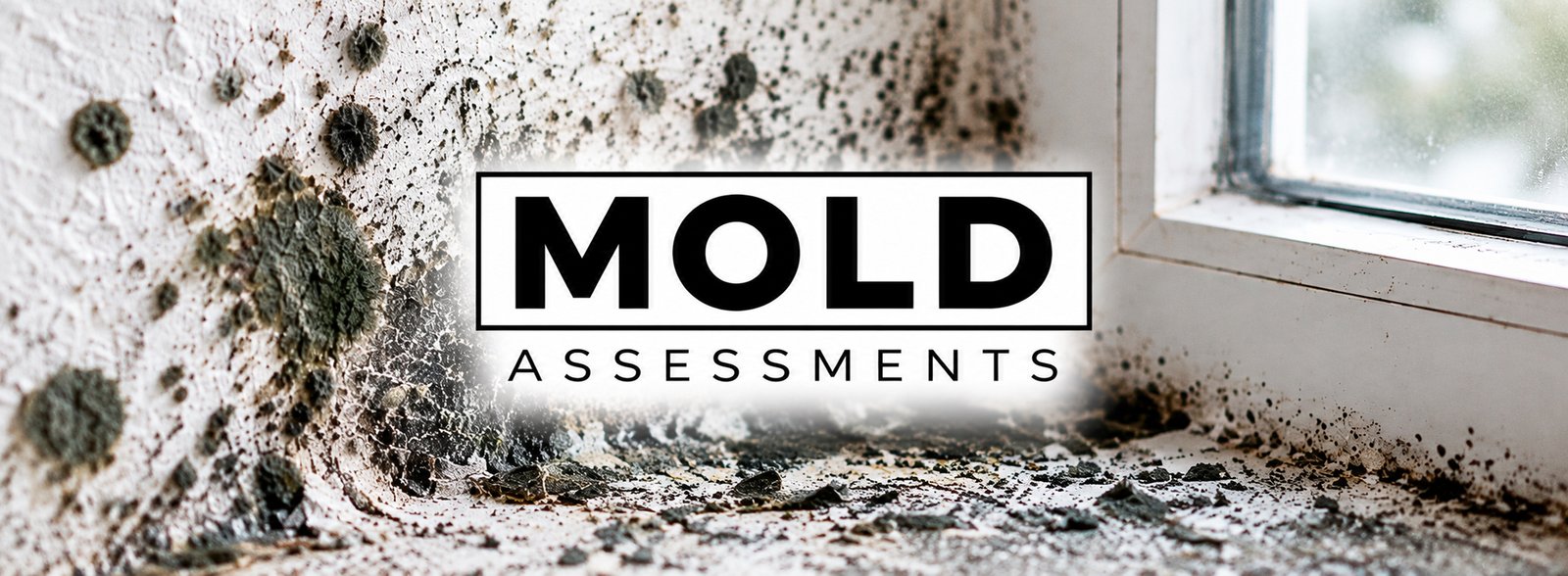
From areas you can safely reach, look for water staining, warping, damp belongings, or visible growth. New York’s Mold and Your Home guidance describes these as useful clues and lists leaks, drainage problems, condensation, and damp basements among common moisture concerns.
Take photos of what you can already see. Do not scrape suspicious material, remove baseboards, or cut an exploratory hole. According to the EPA’s homeowner guide, disturbing hidden mold can release spores; suspected concealed growth is a reason to consider experienced professional help.
Let the person you contact know about access limits before the visit. A wall behind fixed cabinetry is different from an exposed basement wall. Ask what can realistically be evaluated without opening anything, and how inaccessible areas will be described in the findings.
Would a humidity reading help?
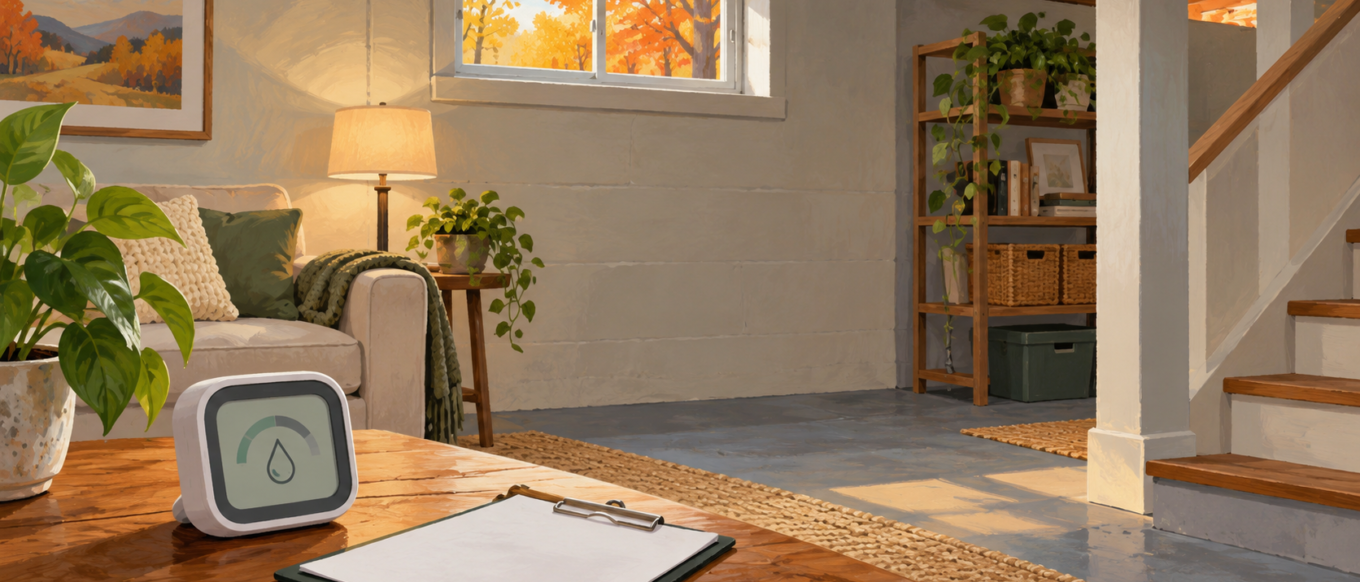
A humidity monitor can add useful context. The EPA recommends keeping indoor relative humidity below 60 percent and, when possible, between 30 and 50 percent. Record the reading, location, and time rather than relying on a single number.
A room reading does not show every condition inside a wall or beneath flooring. Likewise, an improved reading after using a dehumidifier does not establish that an existing mold concern has been resolved. Think of the reading as one piece of the conversation.
Do not let a shopping list replace a plan. Before buying equipment, be clear about the question you are trying to answer and whether a repair specialist or mold assessor is the appropriate person to help.
Do you need air sampling right away?
Not automatically. The EPA’s mold testing guidance notes that there are no federal airborne mold limits or EPA standards for airborne mold contaminants. Sampling therefore cannot establish compliance with a federal “safe mold level.”
If sampling is proposed, ask what question it will answer, why that method fits your situation, and how the result would change the recommendation. A laboratory report should be interpreted in context by someone with relevant experience. It should not be presented as a substitute for understanding the conditions being assessed.
These questions are reasonable whether you are investigating your own basement, preparing to buy a house, or trying to make sense of a previous report. Ask for plain-English explanations before agreeing to extra services.
When is an independent assessment a sensible next step?
Consider an assessment when the odor persists, the history is unclear, or you need a documented evaluation before deciding what to do. Inside Diagnostics offers independent mold assessment services that evaluate accessible areas, document observed conditions, and use moisture measurements or sampling when appropriate.
Assessment and repair are different jobs. A plumbing, roofing, drainage, or other building problem may need a separate qualified specialist. Inside Diagnostics does not provide mold cleanup or a dedicated moisture-intrusion source-diagnostics service. Ask about the scope before booking so the visit matches your concern.
New York’s Department of Labor Mold Program explains licensing and work standards for mold professionals, including separation of assessment and remediation. Check the relevant license when hiring someone for covered work.
What if someone in the house feels unwell?
Discuss health concerns with a healthcare professional. New York’s Department of Health notes that mold exposure can affect some people, particularly those with respiratory conditions or compromised immune systems, and that symptoms may have other causes. An assessment of a building cannot diagnose a person’s illness.
When arranging a visit, mention any concerns that affect access or how the appointment should be planned. You do not need to share a detailed medical history to ask about the service.
A clearer next step for your basement
Start with three things: a brief description, any relevant photos, and the question you most want answered. That might be whether an assessment makes sense, what it can cover, or which separate repair professional you should contact.
Inside Diagnostics serves Westchester, Putnam, Dutchess, Orange, and Rockland counties. You can request an appointment or call or text (914) 879-5022 to discuss the concern. You do not have to arrive with a diagnosis. A clear description is a good place to begin.