




Yes. If replacing an older window could disturb suspect glazing putty or caulk, have the material evaluated for asbestos before work starts. Glazing putty at the glass is not the same material as sealant around the window frame. An inspector should review which materials the contractor will disturb and determine whether sampling is appropriate. Do not scrape the putty, pull out the caulk, or take your own sample.
The key detail is how the windows will be replaced. A proposal that leaves existing frames in place can affect different materials from one that removes frames and opens the surrounding wall.
What is window glazing, and where should you pay attention?
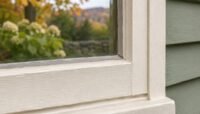
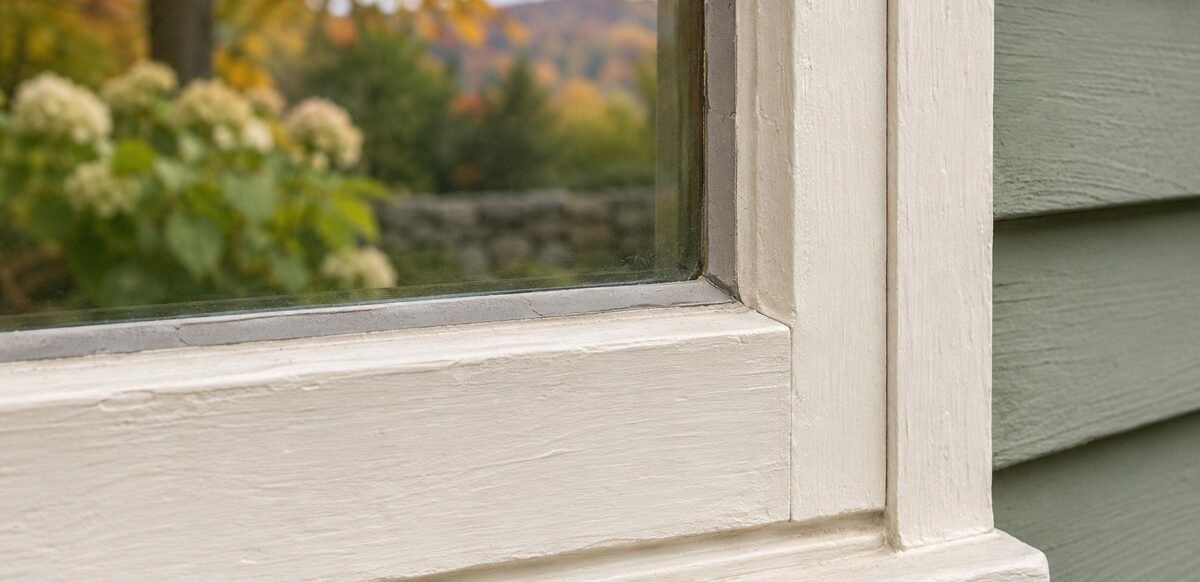
In a traditional wood window, glazing putty is the material that helps seal the glass at the sash, the part of the window that holds the pane. The word “glazing” can also refer to the glass itself. Here, the asbestos question is about older putty or glazing compound, not the pane.
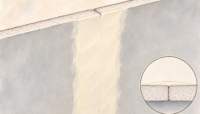
Perimeter caulk is a different material. It may be found at the joint where the frame or trim meets the surrounding wall or siding. One window opening can contain several sealants or patches from different repair jobs. The EPA identifies window caulk and glazing compound in its asbestos guidance, including documented asbestos-containing window putty. That does not mean every older window contains asbestos or that the federal guidance determines your New York project requirements.
A putty line that looks sound, a bead that looks new, or a freshly painted frame is not enough to identify the material. The EPA’s homeowner guidance recommends leaving suspect materials alone and having a trained professional collect samples if needed.
Ask what “replacement” includes before booking a test
Start with the written estimate. If it lists a window model but does not explain what the crew will remove, ask for a short description of the work. These are useful questions to send your installer:
Which windows are included? Identify the floor and room, and distinguish any visibly different windows or additions. Front and rear windows may have been installed or repaired at different times.
What stays? Ask whether the current sash, frame, interior trim, and exterior trim stay in place or come out.
Which joints or finishes will be disturbed? Ask whether the crew expects to cut or remove old glazing, caulk, siding, plaster, or other finishes to complete the installation.
What is uncertain? Note anything the contractor cannot confirm until work begins, such as conditions behind exterior trim.
For example, a hypothetical home has six original wood windows at the front and two newer windows at the back. The front quote calls for full-frame replacement; the back quote retains the existing frames. An inspector would want to see both plans before deciding whether the same suspect materials are involved. A lab result for a bead of sealant at the back does not establish what is in the putty or perimeter caulk at the front.
When does targeted testing make sense?
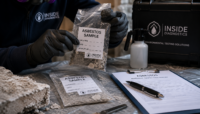
Targeted asbestos testing addresses a defined material or small area. It can answer a narrow question about accessible glazing putty when the inspector agrees that is the material you need to evaluate. It is not a substitute for survey documentation required for a wider project.
A pre-renovation asbestos survey evaluates the affected work area rather than a single material a homeowner identifies. That may matter when full-frame replacements affect several parts of the opening, the house has windows of different vintages, or the installer plans to open both an interior finish and an exterior assembly. Scope should reflect the work, not just how many windows appear on the invoice.
Let the inspector determine which materials can be documented together and which need separate evaluation. The number of openings alone is not a reliable guide to the number of samples. If a material cannot be accessed without tearing into the assembly, ask how that limitation will be recorded and what the installer should do before any unreviewed material is disturbed.
Check New York and local requirements separately
The New York State Department of Labor’s guide for building permit applicants lists putties and caulks among materials that may contain asbestos. It also describes state asbestos survey requirements for interior and exterior renovation and repair and the role of a New York State-certified asbestos inspector in identifying materials the work may affect.
Ask the building department responsible for the property what it wants submitted and when. The installer’s statement about a window permit does not, by itself, resolve the state asbestos question. Our asbestos permit lookup helps you find the appropriate municipal starting point. Do not assume that the requirements are identical across towns, or that a small job is automatically exempt.
What to do once you have the findings
Share the report with the installer and compare the listed windows and materials with the work proposal. If the lab did not detect asbestos in a tested glazing material, do not apply that finding to an untested perimeter sealant. If the installation method or work area changes, ask the inspector whether those changes are covered before the crew proceeds.
If asbestos is confirmed in material the work would disturb, pause that part of the project and coordinate next steps with the inspector and an appropriately licensed asbestos contractor. A positive finding in intact material outside the work area does not automatically mean every window must be stripped or replaced. The decision depends on what is present, its condition, what the work affects, and applicable requirements.
Planning a window project in the Hudson Valley?
Send the property’s town, window list, proposed work date, and installer’s scope. Photos taken without touching the materials are useful for planning, but cannot confirm whether asbestos is present. Mention any earlier reports or changes to the installation method.
Inside Diagnostics provides independent asbestos testing and surveys in Westchester, Putnam, Dutchess, Rockland, and Orange counties. We do not provide asbestos abatement. Request an asbestos testing or survey appointment or call (914) 879-5022 to discuss which materials your window project may affect.