







Many homeowners are aware that asbestos was once widely used in construction, but few realize just how many building materials historically contained it. Whether you own an older home, are planning a renovation, or are considering purchasing a property built decades ago, understanding where asbestos may be present can help you make informed decisions.
So, what materials commonly contain asbestos?
Asbestos was incorporated into thousands of construction products throughout much of the twentieth century because of its strength, durability, fire resistance, and insulating properties. Common examples include floor tiles, vinyl sheet flooring, pipe insulation, boiler insulation, roofing materials, cement siding, ceiling textures, drywall joint compound, and various adhesives. While asbestos use declined significantly in later decades, many older homes throughout New York still contain original materials that may include asbestos fibers.
It is important to understand that the presence of asbestos-containing materials does not automatically mean a home is unsafe. In many cases, these materials remain stable and undisturbed for years. The primary concern typically arises when materials are damaged, deteriorated, or disturbed during renovation, remodeling, or demolition activities.
Why Asbestos Was Used in Construction
For decades, asbestos was considered a highly effective construction material.
Manufacturers incorporated asbestos into building products because it offered several advantages:
- Heat resistance
- Fire resistance
- Durability
- Chemical resistance
- Insulating properties
- Strength and flexibility
As a result, asbestos became common in residential, commercial, and industrial construction throughout North America.
Many homes built before the 1980s may contain one or more asbestos-containing materials.
Why Identifying Asbestos Can Be Difficult
One of the biggest misconceptions about asbestos is that it can be identified through appearance alone.
In reality, many asbestos-containing products look identical to non-asbestos products.
For example:
- Two similar floor tiles may have completely different compositions.
- Identical-looking ceiling textures may differ in asbestos content.
- Certain adhesives and mastics may contain asbestos while neighboring materials do not.
Because of these similarities, laboratory analysis is typically required to determine whether a material contains asbestos.
Visual inspection alone is generally not sufficient for confirmation.
Floor Tiles and Flooring Materials
Among the most frequently encountered asbestos-containing materials in older homes are floor coverings.
Vinyl Floor Tiles
Many vinyl floor tiles manufactured during previous decades incorporated asbestos fibers to improve durability and stability.
These materials were commonly installed in:
- Kitchens
- Basements
- Utility rooms
- Hallways
- Commercial spaces
Older floor tiles, particularly those installed before the 1980s, may warrant further evaluation before removal.
Vinyl Sheet Flooring
Certain sheet flooring products also contained asbestos.
In some cases, the asbestos may be present in:
- The flooring material itself
- The backing layer
- Associated adhesives
Because flooring replacement often involves disturbing older materials, testing may be considered before renovation begins.
Flooring Adhesives and Mastics
The adhesive beneath flooring materials is often overlooked.
However, some mastics and adhesives historically contained asbestos and may remain present even when newer flooring has been installed on top.
Drywall Joint Compound and Wall Finishes
Many homeowners are surprised to learn that asbestos may be associated with drywall finishing materials.
Joint Compound
Joint compound, sometimes called drywall mud, was used to cover seams and fasteners during drywall installation.
Certain products manufactured during earlier decades contained asbestos fibers.
When walls are sanded, cut, or demolished, these materials may become disturbed.
Wall Textures
Decorative wall textures were occasionally produced with asbestos-containing ingredients.
Testing may be considered when large-scale wall renovations are planned in older properties.
Ceiling Materials
Several ceiling products historically incorporated asbestos.
Textured Ceilings
Some textured ceiling finishes, including certain spray-applied textures, may contain asbestos.
Because these materials vary widely by manufacturer and installation date, laboratory analysis is often necessary for confirmation.
Ceiling Tiles
Certain acoustic ceiling tiles and suspended ceiling systems manufactured decades ago may contain asbestos.
These products were commonly used in:
- Basements
- Schools
- Offices
- Residential additions
As with other materials, appearance alone is not a reliable indicator.
Pipe and Boiler Insulation
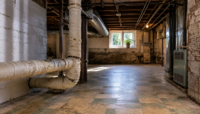
Heating systems are among the most common locations where asbestos-containing materials may be encountered.
Pipe Insulation
Older heating pipes were frequently wrapped with insulation products that contained asbestos.
These materials were designed to:
- Reduce heat loss
- Improve efficiency
- Provide fire resistance
Boiler Insulation
Some older boilers and heating equipment included asbestos-containing insulation or associated components.
Homeowners renovating mechanical rooms or upgrading heating systems may encounter these materials during construction work.
Roofing Materials
Asbestos was incorporated into certain roofing products because of its durability and resistance to weather.
Examples include:
- Roofing shingles
- Roofing felt
- Flashing materials
- Roof coatings
Although many modern roofing products no longer contain asbestos, older roofing systems may still include original materials.
Roof replacement projects often provide an opportunity to evaluate suspect materials before removal.
Cement-Based Products
Several exterior construction products historically used asbestos fibers for reinforcement.
Cement Siding
Cement siding manufactured during certain periods may contain asbestos.
These products were popular because they resisted:
- Rot
- Insects
- Fire damage
Many homes throughout Westchester County, Putnam County, and Dutchess County still contain older cement siding products that may warrant evaluation before replacement.
Cement Pipes and Panels
Asbestos was also used in various cement-based utility and construction products.
These materials may occasionally be encountered during renovation or site work.
Insulation Materials
Certain insulation products manufactured decades ago contained asbestos fibers.
Examples may include:
- Pipe insulation
- Boiler insulation
- Duct insulation
- Specialty insulation products
It is important to note that not all insulation contains asbestos.
However, older insulation materials should be evaluated carefully before disturbance.
Exterior Materials
In addition to siding and roofing, asbestos was incorporated into numerous exterior products.
Examples include:
- Exterior panels
- Soffit materials
- Ventilation components
- Specialty construction boards
Many of these materials remain in service today because of their durability and long lifespan.
Materials Commonly Encountered During Renovations
Homeowners often discover suspect materials while performing renovation projects.
Common examples include:
Kitchen Renovations
Potential concerns may involve:
- Flooring
- Adhesives
- Wall finishes
- Ceiling materials
Bathroom Remodeling
Older bathrooms may contain asbestos-containing flooring, wall systems, or mastics.
Basement Finishing
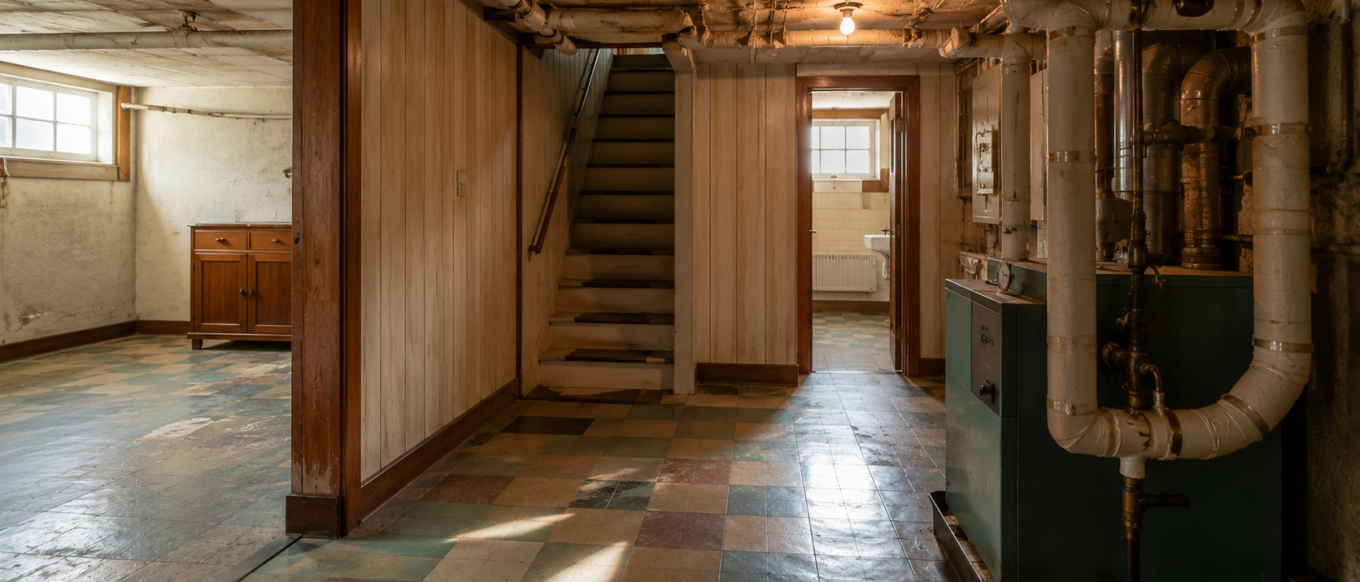
Basements often contain a variety of older building materials, including floor coverings, pipe insulation, and ceiling systems.
Whole-Home Renovations
Large remodeling projects frequently involve disturbing multiple building components, increasing the likelihood of encountering materials that warrant testing.
Asbestos and Real Estate Transactions
Home buyers occasionally ask whether a property contains asbestos.
While asbestos inspections are not typically part of a standard home inspection, buyers may choose to pursue additional evaluations when purchasing older homes.
Why Buyers Ask About Asbestos
Potential buyers often want to understand:
- Future renovation considerations
- Building material conditions
- Environmental concerns
- Long-term maintenance implications
Why Sellers May Seek Testing
Some sellers choose to obtain information about suspect materials before listing their property.
This can help answer buyer questions and provide greater clarity regarding the property’s condition.
What To Do If You Suspect a Material Contains Asbestos
Finding a suspect material does not necessarily mean immediate action is required.
In many situations, materials remain stable and undisturbed for years.
Property owners should avoid:
- Cutting materials
- Sanding materials
- Drilling materials
- Breaking materials apart
If renovation or demolition is planned, professional testing can provide information regarding whether asbestos is present.
Laboratory analysis remains the most reliable method of confirmation.
Asbestos in Hudson Valley Homes
Throughout the Hudson Valley, many homes were constructed during periods when asbestos-containing materials were commonly used.
Properties in:
- Westchester County
- Putnam County
- Dutchess County
may contain original flooring, insulation, siding, roofing, or finishing materials that include asbestos.
As these homes continue to undergo modernization and renovation, understanding what materials are present becomes increasingly important for project planning and property management.
Frequently Asked Questions
Can I tell if a material contains asbestos by looking at it?
No. Many asbestos-containing materials look identical to non-asbestos materials. Laboratory testing is typically required for confirmation.
Does every older home contain asbestos?
Not every older home contains asbestos, but homes built before the 1980s are more likely to include one or more asbestos-containing materials.
Is asbestos dangerous if it remains undisturbed?
Many asbestos-containing materials can remain stable when left intact. Concerns generally increase when materials become damaged or are disturbed during construction activities.
What material most commonly contains asbestos?
Flooring materials, insulation products, ceiling textures, and certain adhesives are among the most frequently encountered asbestos-containing materials in older homes.
Should I test before renovating?
If suspect materials may be disturbed during renovation, testing can provide valuable information before construction begins.
Conclusion
Asbestos was incorporated into a wide variety of building materials for many decades, making it possible for older homes to contain asbestos in flooring, insulation, roofing, siding, ceiling finishes, wall materials, adhesives, and other construction products. Because asbestos cannot be reliably identified through appearance alone, laboratory analysis remains the most effective way to determine whether a material contains asbestos. Understanding where asbestos may be found can help homeowners, buyers, and sellers make informed decisions before renovation, demolition, or real estate transactions.
If you have questions regarding asbestos testing, renovation planning, property transactions, or environmental testing services in New York, Inside Diagnostics can help discuss available testing options and appropriate next steps for your property.