







Renovating an older home can be exciting. Whether you are updating a kitchen, remodeling a bathroom, finishing a basement, or preparing for a major home addition, renovation projects often uncover building materials that have been hidden for decades. In Putnam County, many homes were built during periods when asbestos-containing materials were commonly used throughout residential construction.
Because asbestos was incorporated into thousands of building products, property owners frequently encounter asbestos concerns when planning renovation projects. Materials that appear harmless may contain asbestos fibers, and disturbing those materials without first understanding what they contain can create unexpected complications.
Asbestos testing before renovation helps homeowners, contractors, and property managers identify suspect materials before demolition or construction work begins. This allows projects to move forward with a better understanding of existing building conditions and helps prevent costly surprises once work is underway.
Why Older Homes in Putnam County May Contain Asbestos
Putnam County is home to many properties built before modern asbestos regulations were implemented. Communities such as Carmel, Mahopac, Brewster, Cold Spring, Putnam Valley, Patterson, Kent, Southeast, and Philipstown contain numerous homes constructed during the 1940s, 1950s, 1960s, and 1970s.
During those decades, asbestos was widely used because it offered several advantages:
- Fire resistance
- Heat resistance
- Durability
- Sound insulation
- Moisture resistance
- Low manufacturing cost
Manufacturers added asbestos fibers to many building products used throughout homes and commercial buildings. While many properties have been renovated over the years, older materials often remain hidden beneath newer finishes.
As a result, homeowners frequently discover suspect materials only after a renovation project begins.
Why Renovation Projects Create Asbestos Concerns
Asbestos-containing materials are often concealed behind walls, beneath flooring, above ceilings, and inside utility spaces. They may remain undisturbed for decades without attracting attention.
Renovation work changes that.
Projects commonly involve:
- Cutting drywall
- Removing flooring
- Demolishing walls
- Replacing ceilings
- Opening mechanical spaces
- Remodeling kitchens
- Renovating bathrooms
- Expanding living areas
When suspect materials are disturbed, asbestos fibers may become airborne if asbestos is present. This is one reason why many contractors and property owners choose to schedule asbestos testing before work begins.
Testing provides information about suspect materials before they are cut, drilled, sanded, broken, or removed.
Common Renovation Projects That Often Require Testing
Not every renovation project involves asbestos concerns. However, certain projects frequently expose older building materials that may contain asbestos.
Kitchen Remodeling
Kitchen renovations often involve removing:
- Flooring
- Wall materials
- Ceiling finishes
- Cabinetry
- Adhesives
Many older kitchens contain multiple generations of materials installed over several decades.
Bathroom Renovations
Bathrooms often contain older flooring, wall systems, ceiling textures, and adhesives that may warrant testing before demolition begins.
Basement Finishing Projects
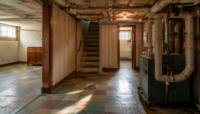
Basements frequently contain exposed pipes, insulation materials, floor coverings, and ceiling systems that may contain asbestos.
Flooring Replacement
One of the most common reasons homeowners schedule asbestos testing is before removing older flooring materials.
Layers may include:
- Vinyl floor tile
- Sheet flooring
- Adhesives
- Underlayment materials
Multiple layers are often discovered during demolition.
Ceiling Removal
Textured ceilings, acoustic materials, and ceiling tiles are commonly tested before renovation work begins.
Home Additions
Projects involving structural changes often require opening walls and disturbing existing building materials.
Common Materials That May Contain Asbestos
Many homeowners assume asbestos exists only in insulation. In reality, asbestos was used in a wide range of construction products.
Common examples include:
Vinyl Floor Tile
Older floor tiles are among the most frequently tested materials during renovation projects.
Floor Mastic
The adhesive beneath flooring often contains asbestos even when the flooring itself does not.
Drywall Joint Compound
Joint compound used to finish drywall seams may contain asbestos in older homes.
Popcorn Ceilings
Textured ceiling finishes installed before modern regulations may contain asbestos fibers.
Ceiling Tiles
Older acoustic ceiling systems sometimes contain asbestos.
Pipe Insulation
Heating systems in older homes may include asbestos-containing insulation materials.
Roofing Products
Roof shingles, flashing materials, mastics, and roofing felts may contain asbestos.
Cement Siding
Certain siding products manufactured decades ago incorporated asbestos fibers.
Because many asbestos-containing products closely resemble non-asbestos products, laboratory analysis is generally required for confirmation.
Can You Tell If a Material Contains Asbestos by Looking at It?
No.
This is one of the most common misconceptions among homeowners.
Materials containing asbestos often appear identical to materials that do not contain asbestos. Even experienced contractors cannot reliably determine whether asbestos is present through visual inspection alone.
For example:
- Two identical floor tiles may produce different laboratory results.
- Similar ceiling textures may contain different materials.
- Flooring adhesives often cannot be accurately identified visually.
The only reliable way to determine whether a suspect material contains asbestos is through laboratory testing.
What Happens During Asbestos Testing?
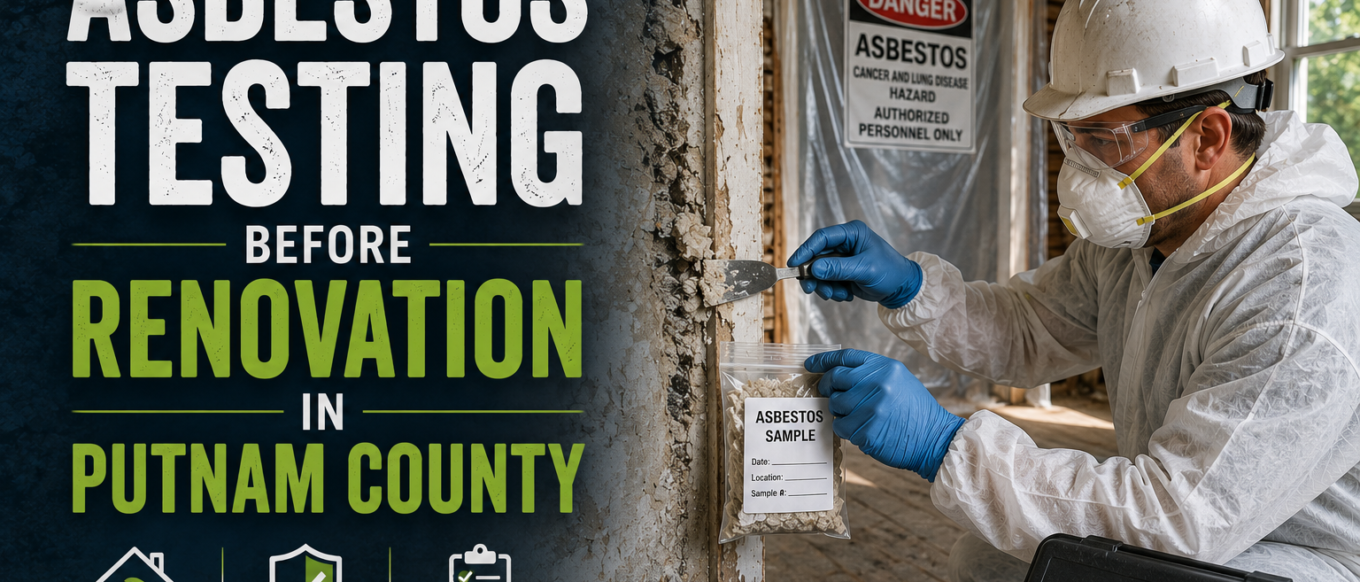
A pre-renovation asbestos survey typically begins with a visual inspection of the renovation area.
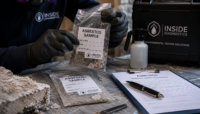
The inspector identifies suspect materials that may be affected by the planned construction work. Representative samples are then collected and submitted to a qualified laboratory for analysis.
Materials commonly sampled include:
- Flooring
- Adhesives
- Drywall compounds
- Ceiling textures
- Insulation materials
- Roofing materials
- Siding materials
After laboratory testing is completed, results indicate whether asbestos was detected within the submitted samples.
This information can then be used by homeowners and contractors during project planning.
Why Testing Before Renovation Is Better Than Testing During Renovation
Some property owners delay asbestos testing until demolition has already begun.
Unfortunately, this approach often creates unnecessary complications.
Testing before renovation offers several advantages:
Fewer Project Delays
Laboratory results are available before construction activities begin.
Better Planning
Contractors can understand existing building conditions before scheduling work.
More Accurate Budgeting
Unexpected discoveries during demolition may affect project costs.
Reduced Project Disruptions
Knowing what materials are present before work starts helps projects proceed more smoothly.
For most renovation projects, obtaining information early is far preferable to discovering issues after demolition begins.
Renovating Historic Homes in Putnam County
Putnam County contains many older homes with significant historical character.
Properties throughout Carmel, Cold Spring, Mahopac, Patterson, and surrounding communities often feature original construction materials that have remained in place for decades.
Many homeowners purchase older homes specifically because of their architecture and charm. However, older construction also increases the likelihood that asbestos-containing materials may still be present somewhere within the building.
Testing before renovation helps remove uncertainty and provides valuable information before work begins.
Choosing an Independent Asbestos Testing Company
Homeowners and contractors often prefer working with an independent asbestos testing company that focuses on inspection and laboratory analysis.
Independent testing provides objective information about suspect materials without creating conflicts related to removal services.
The goal is straightforward: identify suspect materials, obtain laboratory results, and provide accurate information that can support renovation planning.
Asbestos Testing Before Renovation in Putnam County
Renovation projects often involve disturbing building materials that have remained hidden for decades. Because many homes throughout Putnam County were built during periods when asbestos-containing materials were commonly used, testing before renovation can provide important information before demolition begins.
Whether you are remodeling a kitchen, renovating a bathroom, replacing flooring, finishing a basement, or planning a major home addition, asbestos testing helps identify suspect materials before construction work starts.
Inside Diagnostics provides asbestos testing, material sampling, and pre-renovation asbestos surveys throughout Putnam County, including Carmel, Mahopac, Brewster, Cold Spring, Putnam Valley, Patterson, Kent, Southeast, and surrounding communities.
To learn more, visit our Asbestos Testing page, review our Pre-Renovation Asbestos Survey services, explore Asbestos Testing Before Demolition, or schedule an appointment through our Book Asbestos Testing page.