




Mold Assessment FAQ
Clear answers for homeowners, buyers, landlords, property managers, and property owners dealing with visible mold, musty odors, leaks, water damage, damp basements, hidden moisture, or questions about mold assessment and remediation in Westchester County, Putnam County, Dutchess County, Rockland County, and Orange County.
Inside Diagnostics provides independent mold assessments, moisture investigation, written remediation plans, and post-remediation verification. We do not perform mold remediation or sell cleanup work. Assessment and remediation remain separate.
Mold Assessment Resources
Start with the service or resource that best matches what is happening in the property.
Homeowner Mold Questions
These questions cover common concerns about mold, moisture, leaks, odors, humidity, and visible growth inside a home.
What causes mold to grow indoors?
Mold grows when mold spores land on materials that stay damp long enough to support growth. Common causes include roof or plumbing leaks, flooding, foundation seepage, condensation, elevated indoor humidity, and wet building materials. The important point is that cleaning visible mold without correcting the moisture source does not solve the underlying problem; the moisture condition must also be corrected to reduce the chance of regrowth.
How quickly can mold grow after a leak or water problem?
Mold can begin developing after materials remain wet, which is why EPA recommends drying wet or damp areas and materials within 24 to 48 hours when possible. That does not mean mold will always appear exactly at the 24- or 48-hour mark. The practical takeaway is to address the leak or water source immediately, remove standing water, and begin drying affected materials as soon as possible.
Does a musty smell mean there is mold?
A persistent musty or earthy odor can be an indication of a moisture or mold problem, particularly when there has been a leak, flooding, condensation, or chronic dampness. Mold may sometimes be hidden behind walls, flooring, cabinets, wallpaper, or other finishes. Odor alone cannot tell you the amount or type of mold present, so the next step is to look for the moisture source and signs such as staining, damp materials, water damage, or concealed areas that may need further evaluation.
Can mold grow behind walls or other hidden areas?
Yes. Mold can grow in concealed spaces when moisture reaches materials behind drywall, wallpaper, cabinets, baseboards, flooring, ceilings, or insulation. Clues can include a persistent musty odor, recurring staining, previous leaks, damp materials, or moisture readings that do not match surrounding areas. EPA cautions that investigating hidden mold can require care because opening or disturbing affected materials may release spores. If the suspected area is significant or difficult to access, professional evaluation may be appropriate.
Can mold grow in a basement?
Yes. Basements are particularly vulnerable because foundation seepage, plumbing leaks, condensation on cool surfaces, flooding, and elevated humidity can keep materials damp. If mold is present, the goal is not only to clean the growth but also to determine why the area is staying wet. Depending on the cause, that may mean correcting a leak or drainage problem, drying wet materials, improving ventilation, or using dehumidification to control humidity.
Can mold grow after a roof or plumbing leak?
Yes. Roof, plumbing, appliance, and other leaks can wet drywall, insulation, wood, flooring, and concealed wall or ceiling cavities. EPA recommends drying wet materials within 24 to 48 hours when possible. If materials stayed wet, or you later notice staining, musty odor, visible growth, soft or damaged materials, or continuing moisture, the affected area may need further evaluation even after the original leak has been repaired.
What indoor humidity level helps reduce mold growth?
EPA recommends keeping indoor relative humidity below 60 percent when possible and ideally between 30 and 50 percent. If humidity remains high, look for the reason rather than treating the number alone. Common contributors include inadequate bathroom or kitchen exhaust, unvented moisture-producing appliances, basement dampness, condensation, water intrusion, and seasonal humidity. Air conditioning or dehumidification can help, but active leaks and other moisture sources still need to be corrected.
Is black mold automatically more dangerous than other mold?
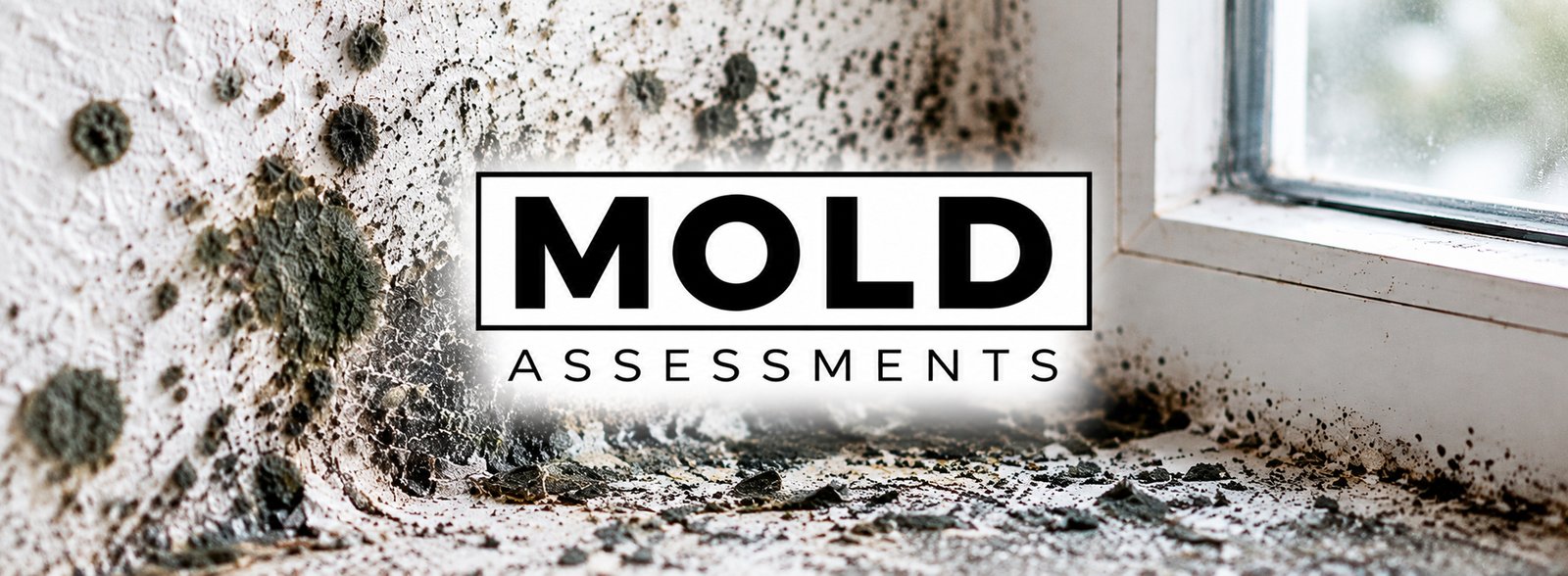
No. Mold color by itself does not tell you whether a mold is more or less hazardous. Many molds can appear black, green, white, gray, brown, or other colors, and appearance alone cannot reliably identify the species. From a building standpoint, visible indoor mold growth should be addressed regardless of color, and the water or moisture condition allowing it to grow should be corrected.
Can I identify the type of mold just by looking at it?
No. You cannot reliably identify a mold genus or species from color, texture, or a photograph alone. New York State Department of Health also notes that knowing the specific kind of mold usually does not change the basic recommendation to correct the water problem and address the mold growth. When sampling has a defined purpose, laboratory analysis can provide additional information, but routine species identification is not necessary for every mold problem.
Can mold come back after it is cleaned?
Yes. Mold can return when the condition that allowed it to grow has not been corrected. Cleaning the surface may temporarily remove visible growth, but an unresolved leak, condensation problem, elevated humidity, or wet concealed material can allow growth to recur. EPA identifies moisture control as the key to mold control, so successful cleanup should include both addressing the mold and correcting the source of moisture.
Can I clean a small mold area myself?
In many situations, yes. EPA states that if the moldy area is less than about 10 square feet — roughly a 3-foot-by-3-foot area — a homeowner can often handle the cleanup using appropriate precautions and cleanup methods. That rule of thumb does not cover every situation. Extensive water damage, sewage or contaminated water, possible HVAC contamination, significant hidden mold, larger affected areas, or personal health concerns are reasons to use additional caution or seek professional guidance. Use our Mold Cleanup & Material Guide for EPA-based guidance by material.
Should I use bleach to clean mold?
Bleach is not the default answer for every mold problem. EPA does not recommend routine use of biocides such as chlorine bleach as a standard practice during mold cleanup. For many hard surfaces, EPA recommends scrubbing mold with detergent and water and drying the surface completely. Moldy porous or absorbent materials can be much harder to clean completely and may need to be discarded depending on the material and extent of contamination. Never mix bleach with ammonia or other cleaners.
Mold Assessment and Testing Questions
A mold assessment is not simply an air test. The purpose is to evaluate the reported concern, look for visible conditions and moisture sources, document the affected areas, and determine the appropriate next step.
What is a mold assessment?
A mold assessment is an investigation of the mold condition and the moisture problem associated with it. In New York, a licensed mold assessor evaluates the affected areas and prepares the mold remediation plan when professional remediation is required. The assessment can include the history of leaks or water damage, visual observations, moisture investigation, identification of affected areas and materials, and sampling when it has a defined purpose. The goal is to establish what appears to be affected, what is contributing to the condition, and what the remediation scope needs to address.
When should I consider a professional mold assessment?
Consider a professional assessment when you cannot determine where the moisture or mold is coming from, the suspected affected area may extend beyond what is visible, mold may be concealed, there has been significant water damage, or you plan to hire a professional remediator and need the project properly scoped. In New York, if you hire licensed professionals for a covered mold remediation project, the remediation contractor cannot simply perform the assessment on the same project; assessment and remediation are separate regulated functions.
Do I always need mold testing or air sampling?
No. EPA and the New York State Department of Health both state that routine mold sampling is generally unnecessary when visible mold growth is already present. There is no federal or New York health-based pass/fail standard for mold in homes, so a sample result by itself does not tell you whether a building is “safe.” Sampling can still be useful when it answers a specific question, but it should be selected and interpreted in the context of the visual findings, moisture conditions, building history, and purpose of the assessment.
Are there federal safe limits for mold spores indoors?
No. EPA states that there are no federal limits for mold or mold spores, and New York State Department of Health notes that there is no state or federal standard for mold in homes. That means an indoor air result cannot legitimately be compared with a universal government “safe mold level.” When sampling is performed, the results need professional interpretation together with the building conditions and the reason the samples were collected.
What happens during a mold assessment?
The assessor first reviews the reason for the visit, including known leaks, flooding, odors, visible growth, prior repairs, and where occupants have noticed a problem. The agreed areas are then visually evaluated for mold growth and signs of moisture or water damage. Moisture measurements or other investigative tools may be used to help understand damp materials or possible moisture pathways. The assessor documents the affected areas and materials and determines whether sampling would add useful information. For a New York remediation project, those findings are used to develop the written mold remediation plan that guides the cleanup scope.
Can moisture meters detect mold?
No. A moisture meter does not detect or identify mold. It measures moisture conditions in or at building materials. During an investigation, it can help compare suspect areas with surrounding materials, locate damp building components, and determine whether materials remain wet after a leak. An elevated moisture reading is evidence of moisture, not proof that mold is present; it has to be interpreted together with the building history and visual findings.
Can thermal imaging detect mold?
No. A thermal camera detects surface temperature differences; it does not see mold and it does not directly measure moisture. A temperature anomaly can sometimes help identify an area that deserves closer investigation because evaporation, missing insulation, air leakage, plumbing, or other conditions can create unusual thermal patterns. Those findings need to be checked with visual inspection, moisture measurements, and knowledge of the building before drawing conclusions.
What if I smell mold but cannot see it?
A persistent musty odor with no obvious visible source is a reasonable reason to investigate further. Start with the history of the area: roof or plumbing leaks, flooding, wet carpeting, condensation, basement seepage, or other moisture events. Look for staining, warped materials, dampness, or moisture around walls, ceilings, floors, cabinets, and other concealed boundaries. EPA cautions that hidden mold investigations can release spores when materials are disturbed, so opening walls or finishes should not be the first step without evidence and a plan.
Can you assess only one room or area?
Yes. An assessment can focus on a defined concern such as a basement, bathroom, bedroom, roof-leak area, plumbing leak, or another specific part of the property. The limitation should be clear: a focused assessment documents the agreed area and should not be represented as proof that no mold or moisture condition exists elsewhere in the building.
Do you provide mold assessments for buyers or sellers?
Yes. Buyers or sellers may request an independent mold assessment when there is visible growth, a musty odor, known water damage, a disclosure, an inspection finding, or another specific mold or moisture concern. The assessment can document the observed condition and help define the next step. It is important to understand the scope: a mold assessment of a particular concern is not a guarantee that every concealed area of the property is free of mold or moisture.
Can I send photos before scheduling?
Yes. Send both close-up and wider photos showing the affected material, surrounding room, staining or visible growth, and any known leak or water source. If there was a flood, plumbing repair, roof leak, or previous remediation, that information is useful too. Photos can help us understand the likely scope and schedule the correct service, but a photograph cannot determine concealed conditions, moisture content, or the full extent of a mold problem.
Remediation Plan and Post-Remediation Questions
In New York, mold assessment and mold remediation are separate functions. Inside Diagnostics provides independent assessment and verification services and does not perform the remediation work.
What is a mold remediation plan?
In New York, the licensed mold assessor prepares a written mold remediation plan based on the assessment. The plan identifies the mold condition and tells the client and remediation contractor what the cleanup project needs to address. New York Labor Law requires the plan to include specific project information, including the rooms or areas and estimated quantities of materials to be cleaned or removed, methods to be used, and criteria that will be used to determine whether the remediation has been completed successfully.
Who prepares the mold remediation plan in New York?
For a New York project covered by Article 32, the licensed mold assessor prepares the mold remediation plan. The client provides that plan to the licensed mold remediation contractor. The remediator then prepares a separate mold remediation work plan that fulfills the requirements of the assessor's remediation plan and provides that work plan to the client before remediation begins.
Does Inside Diagnostics remove or remediate mold?
No. Inside Diagnostics provides independent mold assessment, remediation planning, and post-remediation verification. We do not perform mold removal, demolition, cleaning, reconstruction, or remediation work.
Why are mold assessment and remediation separate?
New York intentionally separates the two roles as a consumer-protection measure. State law prohibits the same licensee from performing both mold assessment and mold remediation on the same project. The assessor defines the condition and remediation requirements; a separate remediation contractor performs the cleanup. The assessor can then return for the post-remediation assessment without having been the company paid to perform the remediation.
What is post-remediation verification?
Post-remediation verification is the follow-up assessment performed after the remediation contractor finishes the work. In New York, the mold assessor evaluates whether the project has met the criteria established in the mold remediation plan. The assessment considers whether the work area is free of visible mold, whether the moisture problem has been corrected as required, and whether the project satisfies the clearance criteria established for that remediation. When the project passes, the assessor issues the required written clearance documentation.
When should post-remediation verification happen?
PRV should occur after the remediation contractor has completed the specified cleanup and before conditions are changed in a way that prevents the assessor from evaluating the work. The assessor needs access to the remediated areas and materials necessary to determine whether the remediation plan's clearance criteria have been met. Coordination between the client, remediator, and assessor helps avoid closing walls or reconstructing an area before verification is complete.
Does PRV always require air sampling?
No. Air sampling is not automatically required for every post-remediation assessment. The verification method should follow the clearance criteria established in the mold remediation plan and applicable New York requirements. Depending on the project, that can involve visual evaluation, confirmation of moisture conditions, review of the completed work, and sampling when the assessor has specified sampling as part of the clearance criteria.
What happens if the remediated area does not meet the verification criteria?
If the area does not meet the clearance criteria in the remediation plan, the assessor should not issue a passed clearance report. The remaining condition is documented and the remediation contractor may need to perform additional cleaning, removal, drying, or other corrective work. The assessor can then return to reevaluate the area. The project is not considered successfully cleared until the required criteria are satisfied.
Should the same company assess and remediate the mold?
For a regulated professional mold project in New York, the same licensee cannot perform both the assessment and remediation on the same project. New York Labor Law specifically prohibits this arrangement. The assessor can perform the initial assessment and the post-remediation assessment, but the physical remediation must be performed by a separate licensed remediation contractor. This separation is one of the state's consumer-protection requirements.
Pricing, Scheduling and Service Area
Mold assessment pricing depends on the property, the size and complexity of the concern, the areas involved, sampling needs, and the documentation required.
How much does a mold assessment cost?
Pricing depends on the property location, size of the area being assessed, number of affected areas, complexity of the moisture problem, sampling needs, and report requirements. The scope should be established before the appointment so the service and pricing are clear.
Is laboratory testing included with every mold assessment?
Not necessarily. Mold sampling is not automatically required for every assessment. If sampling is appropriate, the number and type of samples depend on the purpose of the assessment and the conditions observed.
How long does a mold assessment take?
Visit length depends on the size of the property, number of areas involved, accessibility, moisture conditions, documentation needs, and whether sampling is included. A focused single-area concern may require less time than a multi-room or more complex water-damage investigation.
How long does it take to receive the mold assessment report?
Report timing depends on the assessment scope and whether laboratory analysis is required. If samples are collected, final reporting may depend on laboratory turnaround time.
What counties do you serve?
Inside Diagnostics provides mold assessment services by appointment in Westchester County, Putnam County, Dutchess County, Rockland County, and Orange County, subject to scheduling availability and project scope.
Do you provide mold assessments in Westchester County?
Yes. Inside Diagnostics provides mold assessments in Westchester County for visible mold, water damage, musty odors, damp basements, leak-related concerns, moisture problems, remediation planning, and post-remediation verification.
Do you provide mold assessments in Putnam County?
Yes. Inside Diagnostics provides mold assessments in Putnam County for homeowners and property owners dealing with visible growth, leaks, moisture intrusion, damp building materials, and remediation projects.
Do you provide mold assessments in Dutchess County?
Yes. Inside Diagnostics provides mold assessment services in Dutchess County for water-damage concerns, visible mold, moisture investigation, remediation planning, and post-remediation verification.
Do you provide mold assessments in Rockland County?
Yes. Inside Diagnostics provides mold assessment services in Rockland County for homeowners, property owners, landlords, property managers, and other clients with mold or moisture concerns.
Do you provide mold assessments in Orange County?
Yes. Inside Diagnostics provides mold assessment services in Orange County for visible mold, water damage, moisture concerns, remediation planning, and independent post-remediation verification.
How do I schedule a mold assessment?
Call or text Inside Diagnostics at (914) 879-5022 with the property location, areas of concern, any known leak or water-damage history, and photos if available. We can review the concern and determine the appropriate assessment scope before scheduling.
What should I have ready before calling?
Have the property address, photos of the affected area if available, the location of visible growth or odor, any known leak or water-damage history, how long the problem has been present, and whether remediation has already started or been completed.
Not sure whether you need an assessment, remediation plan, or post-remediation verification? Send a short description of the area. Call or text (914) 879-5022.
Concerned about mold or moisture in your property?
Inside Diagnostics provides independent mold assessments, remediation planning, and post-remediation verification for homeowners and property owners throughout Westchester County, Putnam County, Dutchess County, Rockland County, and Orange County.
Call or Text (914) 879-5022