







Home renovation projects often begin with exciting plans—updating a kitchen, finishing a basement, remodeling a bathroom, or modernizing an older home. However, for properties built decades ago, there is an important consideration that homeowners sometimes overlook before construction begins: asbestos-containing materials.
Many common building products manufactured during the twentieth century contained asbestos. While these materials may remain stable and undisturbed for years, renovation activities can change that. Cutting, drilling, sanding, demolition, and material removal can disturb asbestos-containing materials and create challenges that affect project schedules, budgets, and safety considerations.
So, should asbestos testing be performed before renovation?
In many cases, yes. Asbestos testing is commonly recommended before renovation projects involving older homes or buildings where suspect materials may be disturbed. Testing helps determine whether materials scheduled for removal or alteration contain asbestos, allowing homeowners and contractors to plan appropriately before work begins. Identifying asbestos before renovation can help prevent unexpected discoveries during construction and support informed project planning.
For homeowners throughout New York and the Hudson Valley, understanding when and why asbestos testing may be appropriate before renovation can help reduce uncertainty and avoid costly project interruptions.
Why Asbestos Matters During Renovation
Asbestos was widely used in construction materials because of its durability, heat resistance, and insulating properties.
Many homes built before the 1980s may contain asbestos in one or more locations, including:
- Floor tiles
- Vinyl sheet flooring
- Adhesives and mastics
- Pipe insulation
- Boiler insulation
- Ceiling materials
- Textured finishes
- Cement siding
- Roofing products
- Drywall joint compound
When these materials remain intact and undisturbed, they may not present immediate concerns. Renovation changes the situation because construction activities often involve disturbing, removing, or modifying building materials.
This is why asbestos testing is frequently considered before renovation projects begin.
Why Visual Inspection Is Not Enough
One of the most common misconceptions about asbestos is that experienced contractors or homeowners can identify it simply by looking at a material.
In reality, asbestos cannot typically be confirmed through appearance alone.
For example:
- Two identical-looking floor tiles may have different compositions.
- Similar ceiling textures may contain asbestos in one home but not another.
- Certain adhesives may contain asbestos while adjacent materials do not.
Laboratory analysis is generally required to determine whether asbestos is present.
Without testing, assumptions often lead to uncertainty and unexpected discoveries later in the project.
Renovation Projects That Commonly Trigger Testing
Not every home improvement project requires asbestos testing. However, testing is often considered when construction activities will disturb older materials.
Kitchen Remodeling
Kitchen renovations frequently involve removing:
- Flooring
- Cabinets
- Wall finishes
- Ceiling materials
Many of these components may have been installed decades ago.
Testing before demolition can help identify potential asbestos-containing materials before construction crews begin work.
Bathroom Renovations
Bathrooms often contain older flooring, wall systems, adhesives, and ceiling finishes.
Because these spaces typically undergo extensive demolition during remodeling, asbestos testing may be appropriate before work begins.
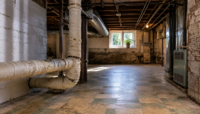
Basement Finishing Projects
Basements commonly contain:
- Floor tiles
- Pipe insulation
- Ceiling materials
- Heating system components
Older materials encountered during basement renovations may warrant evaluation before construction starts.
Whole-House Renovations
Large-scale remodeling projects often involve multiple building systems and materials.
The broader the scope of demolition, the greater the likelihood that older materials may be encountered.
Testing can provide clarity before significant construction activity begins.
Common Materials Tested Before Renovation
Certain materials are frequently evaluated during pre-renovation asbestos inspections.
Flooring Materials
Older floor coverings remain one of the most common sources of asbestos discoveries.
Examples include:
- Vinyl floor tiles
- Vinyl sheet flooring
- Flooring mastics
- Underlayment materials
Because flooring replacement is a common renovation project, these materials are often sampled.
Drywall Joint Compound
Many homeowners focus on the drywall itself and overlook the finishing materials.
Certain joint compounds used during previous decades contained asbestos fibers.
Wall removal, sanding, or major remodeling projects may disturb these materials.
Ceiling Textures
Textured ceilings are another common area of concern.
Some decorative ceiling finishes incorporated asbestos-containing ingredients during manufacturing.
Pipe and Boiler Insulation
Mechanical rooms often contain older insulation products associated with heating systems.
These materials are frequently evaluated before HVAC upgrades or basement renovations.
Exterior Materials
Renovations involving siding, roofing, or structural additions may require evaluation of older exterior building materials.
What Happens During Asbestos Testing?
The testing process is generally straightforward.
Site Evaluation
The first step involves identifying materials that may be affected by the planned renovation.
The scope of the project helps determine which materials should be evaluated.
Sample Collection
Small samples are collected from suspect materials.
Examples may include:
- Flooring samples
- Joint compound samples
- Ceiling texture samples
- Insulation samples
- Roofing samples
The number of samples depends on the variety of materials present and the project’s scope.
Laboratory Analysis
Samples are submitted to a laboratory for analysis.
Laboratory testing determines whether asbestos fibers are present within the sampled material.
Results Review
Once results are available, homeowners and contractors can make informed decisions regarding the next steps.
What Happens If Asbestos Is Found?
Finding asbestos during pre-renovation testing does not automatically stop a project.
Instead, the results provide information that allows proper planning before demolition begins.
Possible outcomes may include:
Adjusting Construction Plans
In some situations, project plans may be modified to avoid disturbing asbestos-containing materials.
Encapsulation
Certain materials may remain in place and be managed through encapsulation or enclosure methods.
Professional Removal
If removal is necessary, specialized procedures may be used depending on the material and project requirements.
The appropriate response depends on the material’s condition, location, and planned construction activities.
The Cost of Discovering Asbestos Too Late
One reason pre-renovation testing is often recommended is because unexpected discoveries can create significant project complications.
For example, imagine a homeowner in Westchester County beginning a kitchen renovation.
Contractors remove flooring and discover suspect materials beneath the finished surface.
Work must stop while samples are collected and analyzed.
Construction schedules are delayed, labor costs increase, and project timelines become uncertain.
By contrast, testing before demolition could have identified the material in advance and allowed construction planning to proceed more efficiently.
Renovating Older Homes in the Hudson Valley
The Hudson Valley contains many homes built during periods when asbestos-containing materials were commonly used.
Throughout:
- Westchester County
- Putnam County
- Dutchess County
homeowners regularly renovate houses constructed in the 1940s, 1950s, 1960s, and 1970s.
These properties often feature original materials that remain in place decades after installation.
Whether updating a historic farmhouse, remodeling a suburban colonial, or modernizing a mid-century residence, asbestos testing can provide useful information before construction begins.
Asbestos Testing During Real Estate Transactions
Asbestos considerations sometimes arise during property purchases.
Buyers Planning Renovations
A buyer purchasing an older home may intend to:
- Remodel kitchens
- Finish basements
- Expand living spaces
- Update mechanical systems
Testing before construction begins can help identify issues that may affect renovation planning.
Sellers Preparing a Property for Market
Some sellers perform renovations before listing a property.
Understanding whether asbestos-containing materials are present can help avoid project delays and support more predictable renovation timelines.
Common Misconceptions About Asbestos Renovation Testing
“My Contractor Can Tell If It’s Asbestos”
Visual identification is not generally reliable.
Laboratory analysis is typically required.
“Only Commercial Buildings Need Testing”
Homeowners frequently pursue asbestos testing before residential renovation projects.
“Every Older Home Contains Asbestos”
Many older homes contain asbestos-containing materials, but not all do.
Testing provides property-specific information rather than assumptions.
“Testing Means the House Has a Problem”
Testing is simply a tool used to understand building materials before construction begins.
The goal is information and planning, not alarm.
Practical Example
A homeowner in Dutchess County plans to convert an unfinished basement into living space.
The project includes removing old floor tiles, updating heating equipment, and replacing ceiling materials.
Because the home was built in the 1960s, asbestos testing is performed before demolition.
Laboratory analysis identifies one asbestos-containing flooring material.
The homeowner is able to address the issue before construction begins, avoiding delays after contractors arrive on site.
This type of proactive planning is one of the primary reasons homeowners choose pre-renovation asbestos testing.
Frequently Asked Questions
Is asbestos testing required before every renovation?
Not necessarily. Requirements depend on the project, property type, and materials involved. However, testing is commonly recommended when older materials will be disturbed.
How old does a home need to be before asbestos becomes a concern?
Homes built before the 1980s are more likely to contain asbestos-containing materials, although building age alone does not confirm its presence.
Can I renovate without testing?
Some projects proceed without testing, but doing so may increase the risk of unexpected discoveries and project delays.
What materials are most commonly tested?
Flooring, adhesives, ceiling textures, insulation, roofing materials, and drywall joint compound are among the most frequently sampled materials.
What if asbestos is found?
The results can be used to determine appropriate next steps, which may include leaving materials undisturbed, encapsulation, or professional removal depending on the project.
Conclusion
Asbestos testing before renovation provides homeowners with valuable information about building materials that may be affected during construction. Because asbestos was incorporated into many common products used throughout the twentieth century, older homes often contain materials that warrant evaluation before demolition or remodeling begins. Testing can help identify potential concerns early, reduce unexpected project interruptions, and support informed renovation planning.
For homeowners, buyers, and property sellers throughout Westchester County, Putnam County, Dutchess County, and the Hudson Valley, asbestos testing can be an important step before renovating older homes and buildings.
If you have questions regarding asbestos testing, renovation planning, property transactions, or environmental testing services in New York, Inside Diagnostics can help discuss available testing options and appropriate next steps for your property.