




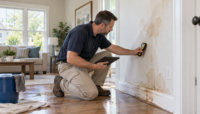


Many homeowners are familiar with asbestos but are often unsure when testing is actually necessary. Because asbestos was widely used in building materials for decades, it can still be present in homes, commercial buildings, schools, and other structures throughout New York. However, the mere presence of older materials does not automatically mean testing is required.
So, when is asbestos testing required?
In most residential situations, asbestos testing is recommended before renovation, remodeling, demolition, or any activity that may disturb suspect building materials. Certain commercial, institutional, and regulated projects may have legal requirements for asbestos surveys and inspections before work begins. Even when testing is not legally required, property owners often choose to test materials to better understand potential risks and avoid unexpected issues during construction projects.
For homeowners, the most common reason to perform asbestos testing is before disturbing older materials that may contain asbestos. Testing can help determine whether specialized handling procedures may be necessary and can provide valuable information for renovation planning.
Understanding Asbestos
Asbestos is a naturally occurring mineral that was widely incorporated into construction products because of its strength, heat resistance, and insulating properties.
For many years, asbestos was commonly used in:
- Floor tiles
- Vinyl sheet flooring
- Ceiling materials
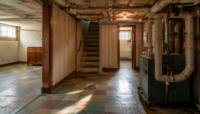
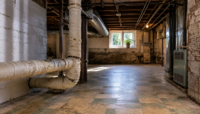
- Pipe insulation
- Boiler insulation
- Roofing products
- Cement siding
- Joint compound
- Textured wall and ceiling finishes
- Adhesives and mastics
Many buildings constructed before the 1980s may contain one or more asbestos-containing materials.
Importantly, asbestos-containing materials are not always hazardous simply because they exist within a building. Risk generally increases when materials become damaged, deteriorated, or disturbed during renovation or demolition activities.
Why Asbestos Testing Matters
One of the biggest challenges with asbestos is that it cannot be identified through visual inspection alone.
Many asbestos-containing materials closely resemble modern products that do not contain asbestos.
For example:
- Two identical-looking floor tiles may have different compositions.
- Similar ceiling textures may contain asbestos in one home but not another.
- Joint compound used on drywall may contain asbestos even when the drywall itself does not.
Laboratory analysis is typically required to determine whether asbestos is present.
Testing helps property owners make informed decisions before construction activities begin.
When Asbestos Testing Is Commonly Recommended
Although requirements vary depending on the project and property type, several situations frequently justify asbestos testing.
Before Renovation Projects
Renovation is one of the most common reasons homeowners pursue asbestos testing.
Projects such as:
- Kitchen remodeling
- Bathroom renovations
- Basement finishing
- Flooring replacement
- Wall removal
- Ceiling replacement
may disturb materials that were installed decades ago.
If suspect materials are present, testing before work begins can help prevent project delays and unexpected discoveries during construction.
Before Demolition
Demolition activities often involve disturbing large portions of a structure.
Because of this, asbestos inspections are commonly required before demolition permits are issued for regulated projects.
Even when not legally required for a specific residential project, testing is often considered a prudent step before major demolition work.
Before Hiring Contractors
Many contractors prefer to know whether asbestos-containing materials are present before beginning work.
Discovering asbestos after construction has started can lead to:
- Work stoppages
- Additional expenses
- Schedule delays
- Changes to project scope
Testing in advance can help reduce uncertainty and improve project planning.
Asbestos Testing During a Home Purchase
Home buyers occasionally request asbestos evaluations when purchasing older homes.
While asbestos inspections are not a standard component of most residential real estate transactions, buyers may seek additional information when purchasing properties built during periods when asbestos-containing materials were commonly used.
Why Buyers Consider Testing
Potential buyers often want to understand:
- Future renovation considerations
- The condition of older materials
- Potential environmental concerns
- Long-term maintenance considerations
For buyers planning immediate remodeling projects, asbestos testing may help identify issues before construction begins.
Why Sellers Sometimes Test
Some sellers choose to obtain information about suspect materials before listing a property.
This can help them answer buyer questions and provide greater clarity regarding the property’s condition.
However, testing decisions should be evaluated on a case-by-case basis depending on the age of the structure and the seller’s objectives.
Older Homes and Asbestos Potential
Throughout Westchester County, Putnam County, and Dutchess County, many homes were constructed during decades when asbestos-containing materials were commonly used.
Homes built before the 1980s may contain asbestos in a variety of locations.
Common examples include:
Floor Tiles and Adhesives
Older vinyl floor tiles and associated mastics are among the most frequently encountered asbestos-containing materials.
Textured Ceilings
Certain textured ceiling finishes may contain asbestos fibers.
Pipe and Boiler Insulation
Older heating systems occasionally include insulation materials that contain asbestos.
Exterior Materials
Some siding, roofing, and cement products manufactured during previous decades incorporated asbestos fibers.
The presence of these materials does not necessarily indicate a hazard, but testing may be appropriate if renovation or disturbance is planned.
Situations Where Testing May Not Be Necessary
Not every older building requires immediate asbestos testing.
In many cases, materials remain in good condition and are unlikely to be disturbed.
For example:
- Intact floor tiles covered by newer flooring
- Undamaged siding materials
- Stable ceiling materials with no renovation planned
When materials are in good condition and will remain undisturbed, testing may not be immediately necessary.
However, future renovation plans can change that assessment.
Property owners should evaluate testing needs within the context of the specific project being considered.
How Asbestos Samples Are Collected
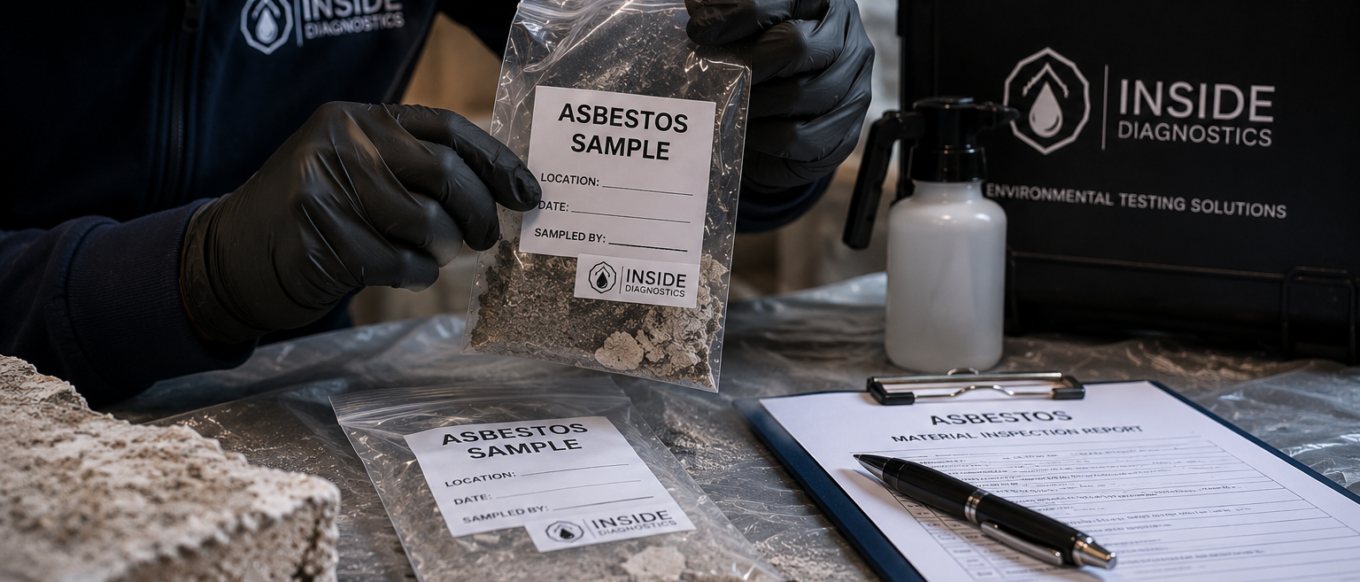
Professional asbestos testing typically involves collecting small samples of suspect materials.
Sampling procedures vary depending on the material being evaluated.
Examples may include:
- Flooring samples
- Drywall joint compound samples
- Ceiling texture samples
- Insulation samples
- Roofing material samples
The samples are then submitted to a laboratory for analysis.
Because sample collection intentionally disturbs material, appropriate procedures should be followed to minimize fiber release during the process.
What Happens After Testing?
Once laboratory results are available, property owners can make informed decisions regarding the next steps.
Possible outcomes include:
No Asbestos Detected
If asbestos is not identified, renovation or demolition activities may proceed without asbestos-related concerns associated with that specific material.
Asbestos Confirmed
If asbestos is present, property owners may choose to:
- Leave materials undisturbed
- Encapsulate materials
- Repair damaged areas
- Arrange for professional removal when appropriate
The best approach depends on the material’s condition, location, and planned construction activities.
Common Misconceptions About Asbestos Testing
“Every Old Home Has Asbestos”
Not necessarily.
Many older homes contain asbestos-containing materials, but not every property does.
Testing is needed to confirm whether asbestos is present.
“Asbestos Is Dangerous Simply Because It Exists”
Asbestos-related concerns are generally associated with fiber release and inhalation.
Many asbestos-containing materials remain stable for years when left undisturbed.
“Visual Inspection Can Identify Asbestos”
Appearance alone cannot reliably determine whether a material contains asbestos.
Laboratory analysis is typically required.
“Only Commercial Buildings Need Testing”
Homeowners frequently perform asbestos testing before remodeling and renovation projects, particularly in older homes.
Asbestos Considerations in the Hudson Valley
Property owners throughout Westchester County, Putnam County, and Dutchess County often encounter homes constructed during periods when asbestos-containing materials were widely used.
As older housing stock continues to undergo renovation and modernization, asbestos testing remains an important planning tool.
Whether replacing flooring, renovating kitchens, remodeling basements, or preparing for major construction projects, understanding what materials are present can help property owners make informed decisions before work begins.
Frequently Asked Questions
Is asbestos testing required before every renovation?
Not necessarily. Requirements depend on the project, property type, and applicable regulations. However, testing is commonly recommended when suspect materials may be disturbed.
Can asbestos be identified by appearance?
No. Many asbestos-containing materials look identical to non-asbestos materials. Laboratory analysis is generally required for confirmation.
Should I test a home before purchasing it?
For older properties, testing may provide useful information, particularly if future renovation projects are planned.
Is asbestos dangerous if it is left alone?
Many asbestos-containing materials can remain stable when undisturbed and in good condition. Risk typically increases when materials are damaged or disturbed.
How old does a home need to be before asbestos becomes a concern?
Homes constructed before the 1980s are more likely to contain asbestos-containing materials, although building age alone does not confirm its presence.
Conclusion
Asbestos testing is most commonly recommended before renovation, remodeling, demolition, or other activities that may disturb older building materials. While testing may not be necessary for every property, it can provide valuable information when planning construction projects, purchasing older homes, or evaluating suspect materials. Because asbestos cannot be identified through appearance alone, laboratory analysis remains the most reliable method of determining whether a material contains asbestos.
For homeowners, buyers, and property sellers throughout Westchester County, Putnam County, Dutchess County, and the Hudson Valley, asbestos testing can be an important step in understanding building materials and planning future projects with greater confidence.
If you have questions regarding asbestos testing, renovation planning, property transactions, or environmental testing services in New York, Inside Diagnostics can help discuss available testing options and appropriate next steps for your property.