







If installing new lights will cut, drill into, scrape or otherwise disturb a suspect popcorn ceiling, arrange a professional asbestos assessment before the work begins. The question is what the installation touches, not whether it seems like a small job. A straightforward fixture replacement may involve different work from adding recessed lights, so ask your electrician to explain the plan before deciding what needs testing.
You do not have to assume every textured ceiling contains asbestos. You do need a reliable answer before turning an unknown material into renovation dust.
Why a lighting upgrade can become a ceiling project
New lighting sounds simple: choose fixtures, agree on locations and schedule the electrician. But the ceiling work can extend beyond the circle you see on a lighting plan.
Adding recessed fixtures may require new openings. Moving a light may involve opening another part of the ceiling and repairing the old location. A different fixture base may also reveal a damaged or unfinished patch that someone wants to scrape or smooth.
These are examples of work to discuss, not a prediction about your home. Even EPA’s professional maintenance guidance recognizes that working on a fixture near asbestos-containing ceiling surfacing can accidentally disturb it. “We are only changing the lights” is therefore not enough detail to settle the asbestos question.
Can you tell from the texture, paint or age?
No. A popcorn pattern does not prove asbestos is present, and a tidy painted surface does not prove it is absent. EPA explains that appearance generally cannot identify asbestos; qualified laboratory analysis is needed to determine whether a material contains it.
Asbestos was used in some sprayed decorative ceiling finishes. EPA’s single-family renovation guidance also identifies textured paints, patching compounds and joint compounds as possible sources. That is why an inspector may consider more than the visible bumps on the ceiling.
Building age and renovation records can help the professional understand the property. They should not become a do-it-yourself “safe year” rule. A room may have finishes from different projects, and a photograph cannot establish what any particular layer contains.
What if you are replacing an existing light?
Tell the electrician and inspector whether the fixture will stay in the same place and whether the opening, mounting arrangement or surrounding finish will change. Ask about access for wiring and any ceiling repairs included in the proposal.
The distinction matters. EPA’s homeowner guidance generally recommends leaving undamaged material alone when it will remain undisturbed. Its remodeling guidance recommends professional sampling when suspect material is damaged or planned work would disturb it.
That does not mean every light replacement automatically requires the same test package. It means the proposed work should be reviewed before anyone assumes that an intact ceiling makes cutting or drilling appropriate. Let the electrician handle electrical questions and the asbestos professional address suspect materials.
Prepare for the assessment without touching the ceiling
You can make the first conversation productive without collecting a sample or opening anything. Gather:
- The rooms involved and the proposed fixture locations.
- Whether lights are being added, moved or replaced in place.
- The electrician’s description of openings, wiring access and finish repairs.
- Existing inspection reports and any records of ceiling alterations.
- Photos taken from a safe, normal viewing position, if available.
Describe any visible cracking, flaking or previous damage, but do not rub the surface to see whether it comes loose. Photos help explain the layout; they do not replace inspection or laboratory testing.
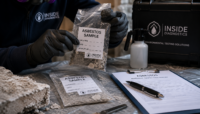
Ask what the assessment will cover and whether the lighting work affects additional materials. Inside Diagnostics’ asbestos testing and survey services include independent inspection, material sampling, laboratory coordination and written documentation. The agreed scope should reflect the actual work rather than a request to “test the house” without further detail.
Be clear about the finished look you want, too. Keeping the existing texture while adding lights is a different project from removing the texture throughout the room. If you are considering both, say so at the outset. Otherwise, an assessment arranged for a few planned openings may not address the larger ceiling work you eventually choose. Resolve that decision with the inspector before adding scraping or refinishing to the contractor’s assignment.
How does New York affect the plan?
For homeowners in Westchester and the Hudson Valley, this is also a project-planning question under New York’s asbestos rules. State requirements can apply to renovation, remodeling and repair, not only demolition.
The New York State Department of Labor’s asbestos survey guidance discusses inspections by New York State-certified asbestos inspectors, exemptions and overlapping obligations. Do not assume that the home’s age, a small opening or an exemption under one provision settles every requirement.
Have the inspector confirm what applies to the property and the proposed lighting work. Ask the local building department about applicable permit requirements as well. A general blog article cannot determine the legal requirements for a particular address or installation.
Build that review into the schedule before setting a firm installation date. If you are coordinating an electrician and a separate ceiling-finishing contractor, make sure both understand which work is awaiting assessment.
What should happen while you wait?
Leave the suspect ceiling undisturbed. Do not scrape off a sample, drill a trial hole or sand a patch to make the appointment easier. EPA warns that incorrectly performed sampling can create more risk than leaving the material alone.
If work has already damaged suspect material, stop activities that could disturb it further and obtain professional guidance. Keep people away from the affected area, and do not dust, sweep or vacuum suspect debris. These precautions follow EPA’s homeowner asbestos guidance; they are not a cleanup procedure.
When results arrive, ask the inspector to explain what they mean for the planned openings and repairs before restarting that work. If corrective work is needed, arrange it with the appropriate asbestos professionals. Inside Diagnostics does not perform asbestos removal or abatement.
Plan the lights around reliable information
A brighter room should start with a clear plan, not a guess about the ceiling. Identify what will be disturbed, have suspect materials professionally evaluated and give the findings to the people doing the work.
Inside Diagnostics serves Westchester, Putnam, Dutchess, Orange and Rockland counties. To discuss a popcorn ceiling before a lighting project, request an asbestos testing appointment and describe the fixture locations and anticipated ceiling work. That gives the assessment a useful starting point before installation begins.