






Do not add new insulation over suspected vermiculite as a weekend DIY project. Pause the attic work and get professional advice first. Installing insulation can disturb the material underneath, and covering it does not establish that it is safe. The EPA recommends treating vermiculite insulation as potentially asbestos-contaminated and leaving it undisturbed. You do not need to prove asbestos is present before taking that precaution.
If you were simply hoping to make the upstairs more comfortable, this can feel like an unwelcome detour. It helps to separate two decisions: what your attic needs for energy performance, and how the existing material must be handled before anyone starts work.
Why an insulation upgrade can disturb old material
An attic upgrade may involve more than placing a new layer on top. Ask the installer whether the proposed work includes moving existing insulation, reaching wiring, sealing openings, changing ventilation or accessing equipment. Those details matter when loose material is already between the joists.
Even a plan described as “no removal” deserves a closer look. Where will workers walk? What will they move to reach the work area? Will another trade need access later? A written description helps an asbestos professional assess the project rather than guessing from the phrase “add insulation.”
Do not start clearing a path or moving stored belongings through suspect material to prepare for a visit. Tell the professional about access limitations and let them explain how the area should be evaluated.
What if the insulation only looks like vermiculite?
EPA describes vermiculite insulation as a loose, pebble-like product, often gray-brown or silver-gold. Appearance can raise a concern, but a photograph cannot establish asbestos content. Avoid picking up a handful, digging beneath another layer or opening a wall to investigate.
Use information you already have: an earlier inspection report, renovation records or a photograph taken without disturbing anything. An inspector can review those details before deciding what access or assessment is appropriate. If you cannot safely see the material, say so. A better photo is not worth creating dust.
For now, describe it as “suspected vermiculite” rather than telling the insulation crew it is definitely asbestos-free or definitely asbestos. That gives them useful information without overstating what is known.
Can a negative asbestos test settle the question?
Loose-fill vermiculite needs special care when interpreting laboratory results. EPA warns that testing can produce erroneous results depending on the methods used. Its precautionary advice does not depend on obtaining a positive test first.
New York also treats loose vermiculite differently from certain manufactured materials that contain vermiculite. The New York State Department of Health vermiculite guidance, linked from the Department of Labor’s current guidance page, says attic fill, block fill and other loose bulk vermiculite must be designated and treated as asbestos-containing material. It states that no approved analytical method reliably confirms that loose material as non-asbestos-containing.
If you already have a report, ask a qualified professional to review the material description, sampling location, analytical method and limitations. Do not use a “none detected” line on its own as permission to stir up the attic. Methods discussed for plaster or sprayed-on fireproofing should not automatically be applied to loose attic fill.
What to do while the project is paused
Keep the insulation undisturbed and avoid unnecessary attic access. EPA advises against storing items in an attic containing vermiculite and against allowing children to play there. If belongings are already there, ask how they can be addressed safely rather than retrieving them through the insulation.
Let everyone involved in the project know about the concern before their visit. That includes the insulation installer and any electrician or other contractor who expects to enter the space. Put the pause in writing so a crew does not arrive expecting a clear work area.
If suspect debris has fallen into a room below, keep people away from it and contact an asbestos professional. EPA’s homeowner guidance says not to dust, sweep or vacuum debris that may contain asbestos. A household cleanup can disturb the very material you are trying to contain.
Does it always have to be removed?
Finding suspected vermiculite does not automatically mean an immediate removal project. EPA recommends leaving it undisturbed. However, a planned upgrade that would disturb it needs professional review before proceeding. The appropriate plan depends on the material, its condition, the work and applicable requirements.
Do not assume that laying insulation over it is the same as a designed asbestos enclosure. Ask what the proposed approach achieves, how disturbance will be prevented and what restrictions will remain for future work. Get those answers before agreeing to the energy-upgrade scope.
If removal or other asbestos work is necessary, use an appropriately licensed asbestos abatement contractor. Independent inspection and documentation are separate services from performing that work.
Plan the New York project before booking the crew
For homeowners in Westchester and the Hudson Valley, asbestos planning belongs near the beginning of an attic upgrade. New York’s Department of Labor survey guidance addresses renovation, remodeling, repair and demolition. Have a qualified inspector review how the rules apply to the actual work; do not assume that a small project or a newer construction date settles the question.
Before you commit to an installation date, ask:
- Does the assessment address every area the crew needs to enter?
- What existing material will the proposed work affect?
- What documentation does the installer need before starting?
- Who will handle any necessary asbestos work?
- What must be resolved before the insulation project can resume?
Keep the answers with the property records. If the plan changes, share the revised scope before work starts rather than relying on an earlier conversation.
Get an independent assessment of the next step
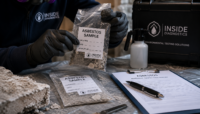
Inside Diagnostics provides independent asbestos inspections, sampling and survey documentation across Westchester, Putnam, Dutchess, Orange and Rockland counties. Services focus on assessment, appropriate sampling, laboratory coordination and reporting, not asbestos removal or abatement. Suspected loose vermiculite should be discussed specifically so the limitations and appropriate scope are clear.
To start, use the asbestos appointment booking page and describe the attic material and planned upgrade. Include existing reports and explain whether the crew expects to move insulation or access wiring. You can work toward a more comfortable home while making an informed plan for the material already there.
Related reading: our guide to what a negative asbestos test covers explains why a report needs to be read in context.